
Nestled in the northeastern corner of India, Manas National Park stands as a testament to the country’s incredible biodiversity and natural beauty. This UNESCO World Heritage Site, located in the state of Assam, is not just a sanctuary for diverse wildlife but also a testament to the success of conservation efforts in India. In this article, we will take you on a virtual tour of Manas National Park, exploring its rich history, remarkable flora and fauna, and the ongoing efforts to protect this natural wonder.
History and Geography
Manas National Park, situated in the foothills of the Eastern Himalayas, spreads over an area of approximately 950 square kilometers. The park is named after the Manas River, which flows through its heart. It was declared a sanctuary in 1928 and subsequently designated as a national park in 1990. In 1985, it was recognized as a UNESCO World Heritage Site for its exceptional biodiversity.

Biodiversity at its Finest
Manas National Park is celebrated for its astonishing diversity of flora and fauna. The park serves as a haven for numerous endangered and vulnerable species, making it one of the most significant conservation areas in India.
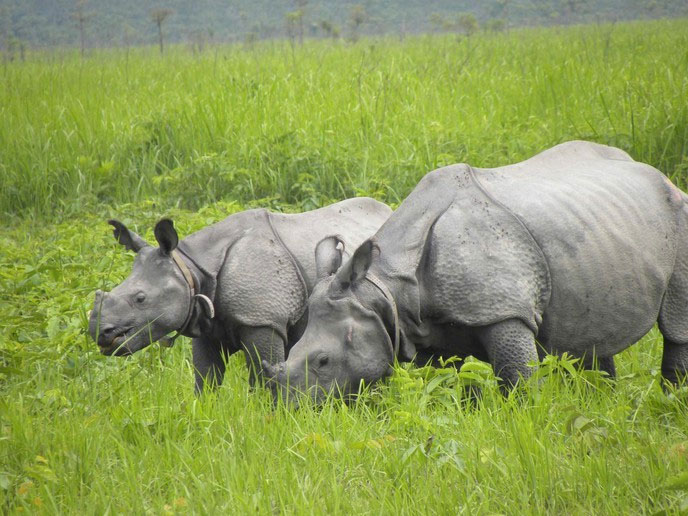
1. Mammals: The park is home to a plethora of mammals, including the majestic Bengal tiger, Indian elephant, Indian rhinoceros, clouded leopard, and golden langur. Additionally, you can find capped langurs, Assam macaques, and various species of deer, including the rare and endangered pygmy hog.
2. Birds: Bird enthusiasts will be delighted by the park’s avian diversity. Manas is home to over 450 species of birds, including the Bengal florican, great hornbill, pied hornbill, and many species of eagles, owls, and waterfowl.
3. Reptiles and Amphibians: The park is also a habitat for a variety of reptiles and amphibians, such as the Assam roofed turtle, Indian python, and Ganges river dolphin.
4. Flora: Manas National Park boasts a lush and diverse vegetation cover, including semi-evergreen forests, alluvial grasslands, and riverine forests. Some of the prominent tree species include the Indian rosewood, white silk cotton tree, and the elephant apple.
Conservation Efforts
Manas National Park faced significant challenges in the past, including threats from insurgency and poaching. However, with dedicated conservation efforts, the park has made remarkable progress. Some of the initiatives include:
1. Anti-poaching measures: The park has implemented strict anti-poaching measures to protect its wildlife, including the use of modern technology like camera traps and drone surveillance.
2. Community involvement: Involving local communities in conservation efforts has been crucial in curbing illegal activities and promoting sustainable practices.
3. International cooperation: Manas is part of the Manas Tiger Reserve, a transboundary conservation area that straddles the border between India and Bhutan. This international cooperation is vital for the long-term conservation of the region’s biodiversity.
Visiting Manas National Park
Visitors to Manas National Park can explore its natural wonders through guided safaris, nature walks, and birdwatching. The park is open to tourists from October to May, with the peak tourist season between November and March. We strive to give best experience in Jungle Safari & customized tour packages.
1. Safari Tours: Jeep and elephant safari are popular ways to explore the park. These guided tours offer the chance to spot rhinos, elephants, wild Buffalo, Indian gaur & much more in their natural habitat.
2. Raft Safari: A unique feature of Manas National Park is the opportunity to raft down stream along the Manas River, which allows visitors to view wildlife from a different perspective.
3. Birdwatching: With its incredible bird diversity, Manas is a birdwatcher’s paradise. Numerous birdwatching zones are available for enthusiasts.
Manas National Park is not only a testament to India’s commitment to conservation but also a haven for nature enthusiasts and wildlife lovers. Its incredible biodiversity, lush landscapes, and fascinating history make it a must-visit destination for those looking to experience the wonders of the natural world. As we continue to strive for the preservation of our planet’s most precious ecosystems, Manas National Park stands as a shining example of what can be achieved through dedication and cooperation.